01
The three kinds of deformable body
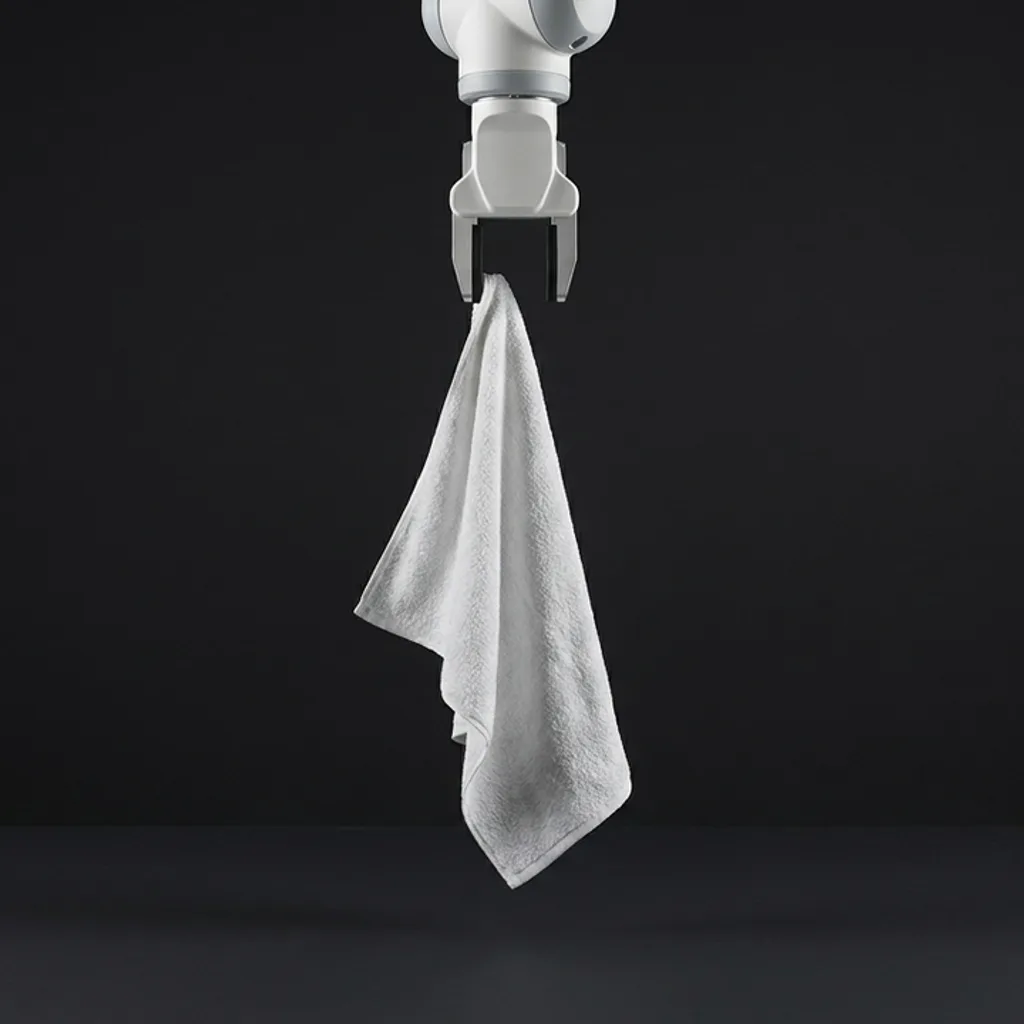
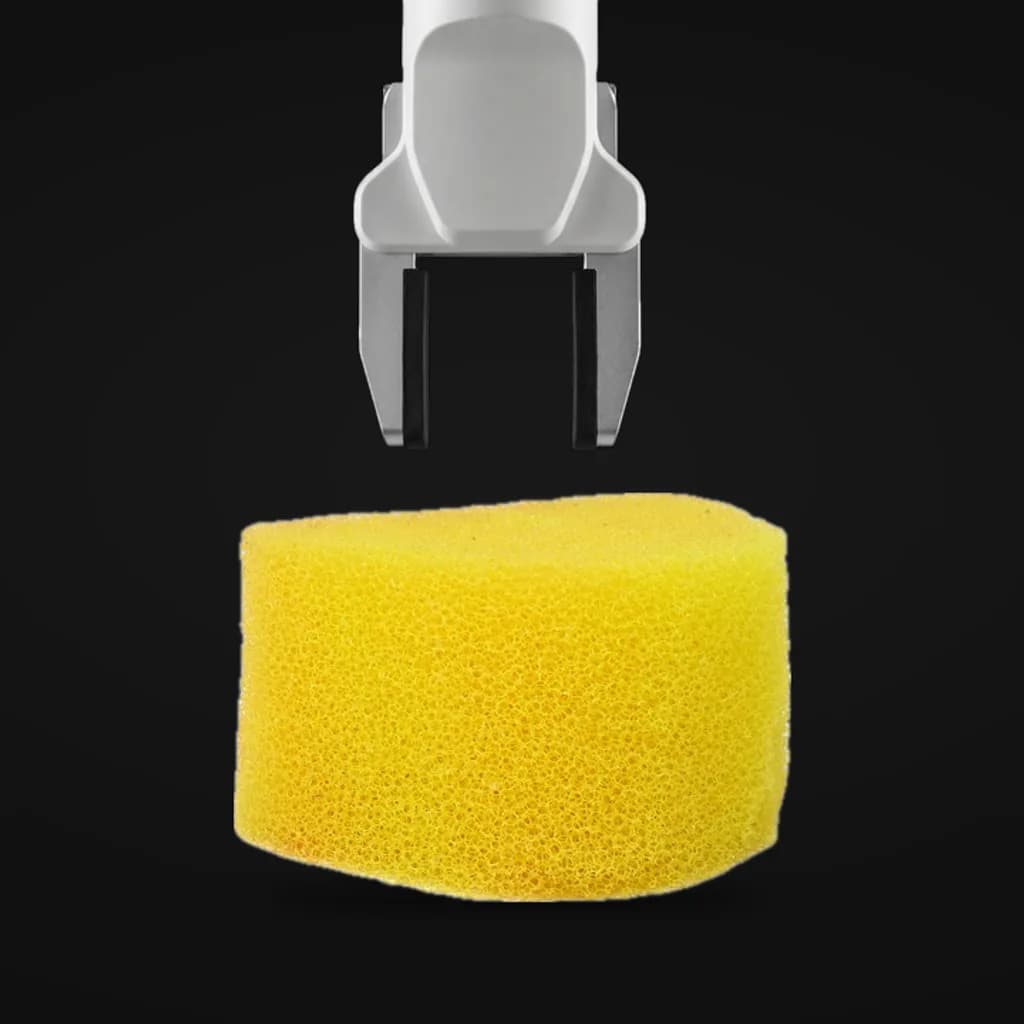
Deformable simulation in USD splits objects by shape. Solid objects such as foam, rubber and fruit are volume deformables: the inside is filled with a tetrahedral mesh, and the finite element method works out how that volume compresses and springs back. Thin objects such as cloth, film and paper are surface deformables: a triangle mesh with stiffness in stretch and bending and a thickness. Long, thin objects such as cables, hoses and ropes are curves: a centerline with a radius that bends, twists and stretches.
Recent Isaac Sim releases author volume and surface deformables with USD physics schemas, binding a deformable material to the simulation mesh. Newton, the open source GPU physics engine built on NVIDIA Warp, reads the same families from USD, including curve deformables for cables, and adds solvers for cloth, rods and granular materials.
02
How a deformable is stored in USD
The OpenUSD deformable schema proposal describes each family with its own geometry type: a TetMesh for a volume deformable, a Mesh for a surface deformable and BasisCurves for a curve deformable. A physics material bound to the geometry carries values such as density, Young's modulus, Poisson's ratio and damping, and attachments tie a deformable to rigid parts, such as a plug at the end of a cable.
The render mesh and the simulation mesh are usually separate. The simulation mesh is coarse enough to run fast and fine enough to bend where the object bends; the render mesh is carried along by it, so the object still looks right.
03
Cables, ropes and hoses
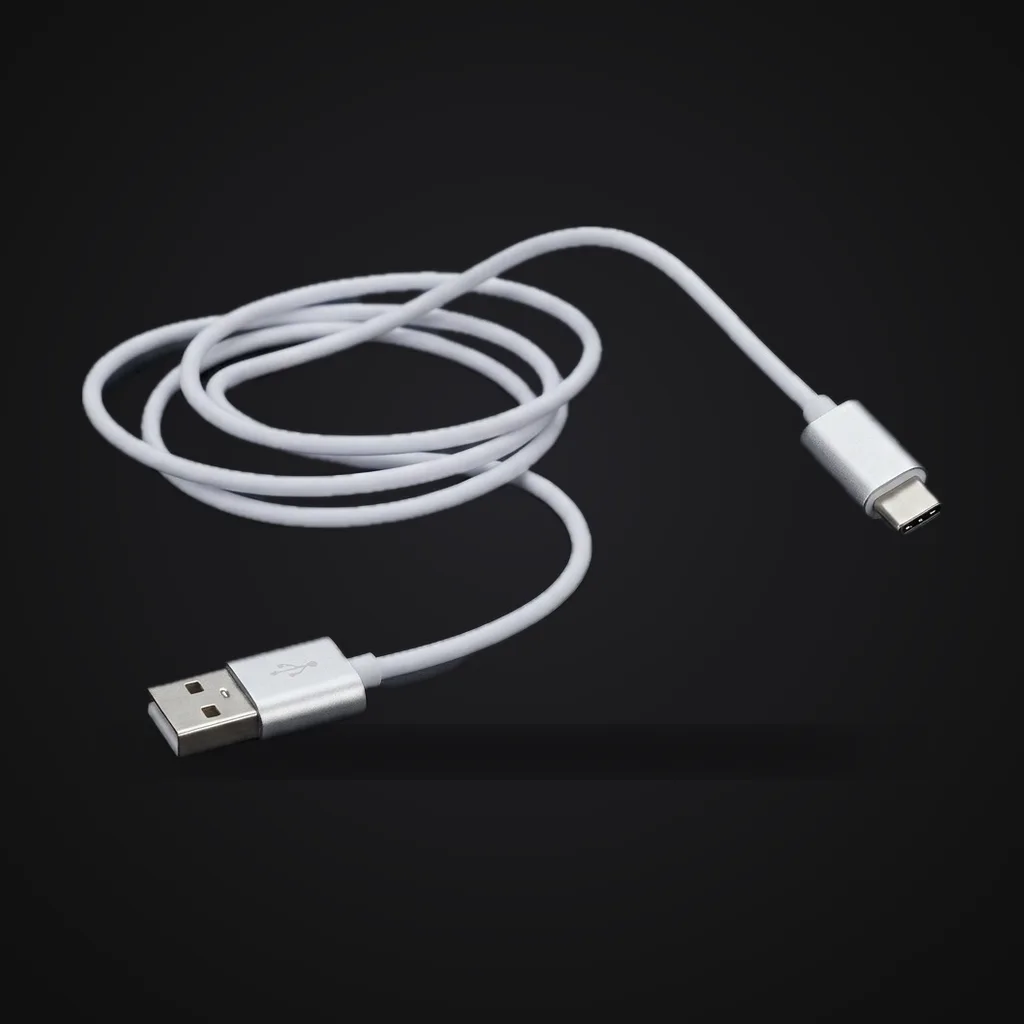
Cables are the hardest common case. Where a solver has no rod model, a cable is built as a chain of short rigid capsules joined by spherical joints with stiffness and damping, which is how many Isaac Sim cable scenes are made. Where a rod model is available, as in Newton, the cable is a single curve with bending and twist stiffness, which bends more smoothly and needs fewer bodies.
Either way, connectors are rigid bodies attached to the cable ends, and the stiff section next to each connector is what makes a plug go in straight. We ship rod cables with both forms when the target is Isaac Sim.
04
Which model fits which object
| Cables, wires, hoses, ropes | Rod or jointed capsule chain |
|---|---|
| Towels, sheets, garments | Cloth (surface deformable) |
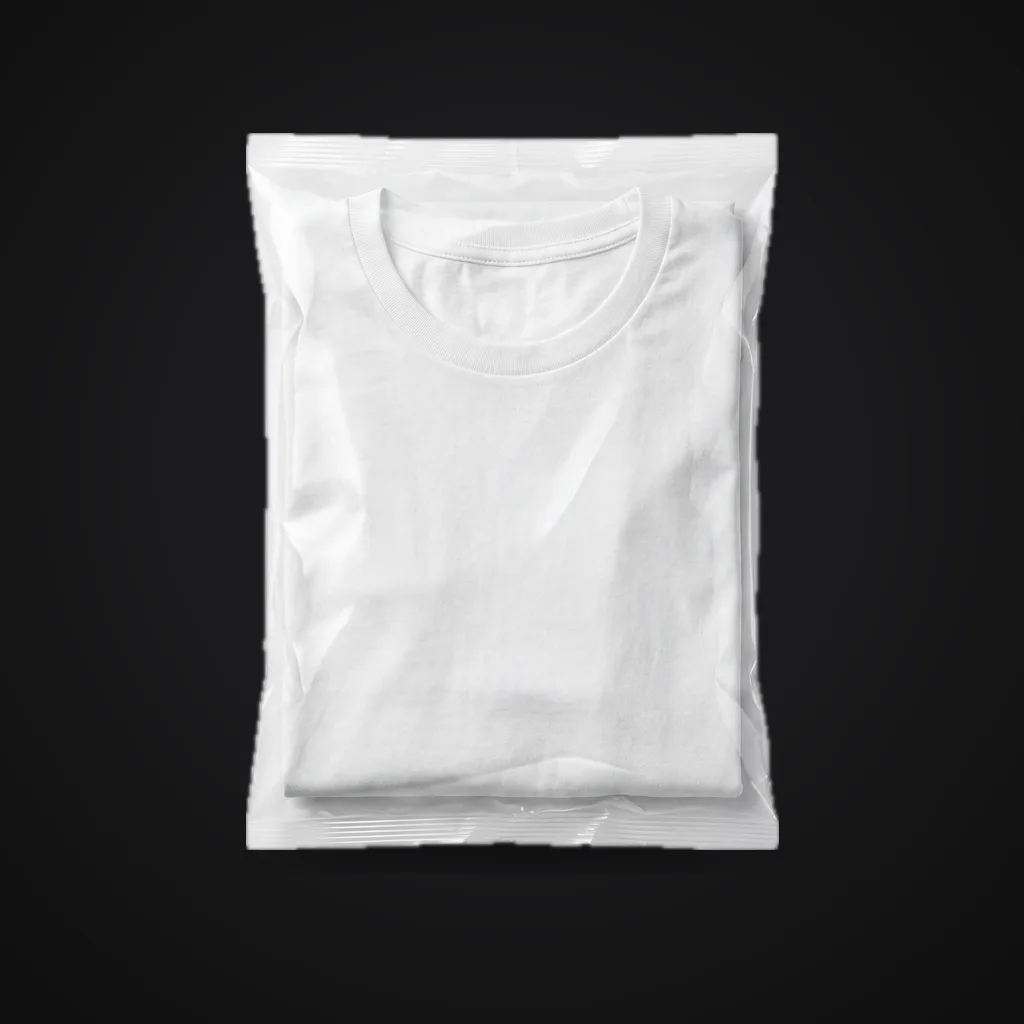
| Polybags, mailers, film, paper | Thin shell (surface deformable) with contents |
| Cans, PET bottles, jugs | Thin shell with a plastic yield |
| Foam, sponges, rubber, fruit | FEM volume (volume deformable) |
| Dough, granular fill, sand | MPM particles |
05
What a sim-ready deformable asset ships with
- A simulation mesh sized for the object, separate from the render mesh
- A physics material with every value set: stiffness, damping, density and friction
- Rigid parts such as connectors, buttons and hangers as their own bodies, attached where the real object joins them
- The rest shape the object returns to, such as a coil for a hose or a curl for a rolled mat
- True scale in meters and true mass, so grip forces mean what they say
- A reference clip of the asset in simulation next to the real object
06
Where deformable scenes usually go wrong
- A tetrahedral mesh too coarse to bend where the object bends, or so fine that the scene crawls
- Contact thickness left at the default, so cloth passes through itself or floats above a table
- Stiffness values copied between objects of different size, which changes how they behave
- Too few solver substeps for stiff materials, which makes them jitter or explode
- A rigid stand-in used where the grasp depends on the object giving way